You’ve probably heard that first-party data is the most valuable to marketers. There are indeed a whole host of benefits to first-party data. It’s reliable, and, most of the time, it connects directly back to your particular audience. Still, first-party data has its limits. Not every marketer can collect it easily, and even when you have plenty, it often lacks the scale and depth needed to drive growth. Second- and third-party data, as well as tools to generate analytics, are essential to help you enrich and power up your first-party data.
Why Your First-Party Data Isn’t Enough
Companies prize first-party data because consumers gave it to them directly. The information you collect yourself can be vast or limited, depending on your industry and the methods you use to gather it. The data you collect needs to translate into meaningful business outcomes. You need to understand it to inform strategic decisions and marketing campaigns. Your first-party data needs a powerful analytics tool to identify trends and develop models you can use to your advantage.
Publishers need fresh insights and analytics tools to get a firm grasp of their audiences. They need a clear understanding of who their audience is and what content they engage with. The first-party data they’ve collected tells them about visitors’ behaviors within the publisher’s site or app. However, it cannot tell them what they do outside their websites, what other sites they visit, what they watch, purchase or consume.
To package their readers’ data and allow their advertisers to target them individually, publishers need a complete picture of their audience across their connected digital lives. Since first-party data can only show a sliver of who a reader is, they need to supplement their information with second- and third-party data to get a panoramic picture of their customers and readers to grow inventory opportunities.
Marketers, on the other hand, can have different amounts of data. An e-commerce company usually has vast amounts of first-party data at their disposal. They have data on all the site visitors who engage with their content and browse their site. They know their customers’ names, shipping addresses, emails and sometimes even phone numbers. Consumer packaged goods marketers, however, work with customers who rarely interact with their brands online. Still, no matter how much data marketers collect, it doesn’t fully reveal who their consumers are outside of their owned environments. To gain behavioral and attribute data from your consumers from across the web, mobile and elsewhere, you need additional data sources.
Purchased consumer data or data collaboration tools give you a better understanding of your customers or audience. You can augment your first-party data with second- and third-party data. Then, analytics tools allow you to mine your data for trends that can inform your decisions.
What Are Second- and Third-Party Data?
When first-party data isn’t enough, marketers and publishers turn to second- and third-party data. Each type of data can complement the others, allowing you to enhance the quality, scale and scope of your data and insights.
- First-party data: To understand second-party data, you need to define first-party data. Data collected by your team is first-party data. You can receive online data from the behaviors of your website visitors or app users. You can also collect first-party data using a customer relationship management (CRM) platform, where your sales, customer service and marketing teams can all input data gathered from individual customers. Your subscription list, social media analytics and customer surveys can all be vital sources of first-party data.
- Second-party data: Second-party data is someone else’s first-party data. You can usually trust second-party data to the same degree that you can your internal data, especially if you develop these partnerships over time. Use second-party data to increase the scale of your first-party data. With second-party data, you can target similar customers or readers who resemble your current audience. If you are introducing a product line or content aimed at a new demographic, you might not have first-party data for the people you want to attract. Second-party data lets you tap into these new markets.
- Third-party data: Data aggregators provide access to collections of first-party data from many sources. You don’t buy this type of data directly from the company that collected it. Instead, a middleman gathers data from many sources and compiles it into one large dataset. The benefit of third-party data is that you can break it down into segments, so you can purchase the data from the specific groups you’re looking for. It has a broad scope that can help you scale up your first-party data.
What Are Data Insights and Analytics?
Once you collect and buy data, you need to interpret it to discover the emerging trends. To achieve this, marketers and publishers turn to data insights and analytics. Data analytics is the process of examining datasets to conclude what information they contain. All your first-, second- and third-party data comes to you as raw data. Analysis uncovers patterns, letting you gain valuable insights.
Most analytics processes use software, machine learning and automation to visualize data, segment customers and find trends in user behavior. Companies can use data insights to evaluate the success of their marketing efforts, personalize content for groups of users or individuals and learn more about their audience.
What Is Data Modeling, and How Can You Enhance It?
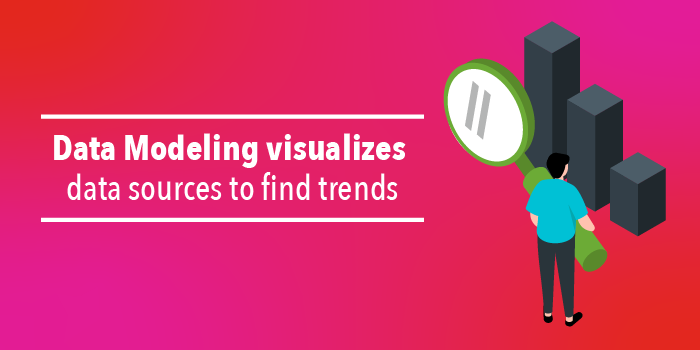
Data modeling and data analytics are often used interchangeably. Technically, modeling is only one piece of the analytics process. Data modeling is a method for visualizing or mapping out how sources of data come together within a company’s software and data storage applications. Most data marketers and publishers have many applications that require data input. You may have these programs to manage:
- Content development
- Personalized product or content suggestions
- Ad targeting
- Programmatic media buying
- Customer relationships
All this software depends on consistent, well-structured data to optimize operations and enhance the customer experience. A data model plans out how to aggregate data, such as in a data management platform (DMP). It determines what events and signals to capture across your data inputs and what actions to trigger. Your data model will also lay out what data to send to each of your business software tools.
Data modeling also creates visuals that data analysts can use to understand trends and draw conclusions. Generally, businesses start their data modeling simple and then enhance it as they grow. Data modelers work alongside marketers to determine what data to track and how to organize it. In some cases, data tables work best. In other cases, such as mapping the customer journey, it’s essential to see a visual graph.
One way to enhance your data modeling is to identify gaps in your data and layer on more sources of information to generate more meaningful conclusions. To do this, you may collaborate with another party to layer in second-party data or purchase third-party data to combine it with your first-party data within your broader data strategy. However you enhance your data modeling, it’s critical to carefully decide which data you add so that it will provide relevant, meaningful results.
How Do Data Modeling and Data Enrichment Help?
Data modeling and data enrichment work together to strengthen your marketing outcomes. Data enrichment expands and enhances your audience by layering in second- and third-party data, helping you move beyond a limited first-party view. With a more complete understanding of your customers, you can build richer audience segments and uncover new opportunities for engagement.
Data modeling brings structure to that enriched data. It defines how data is organized, connected and activated across your tools—ensuring the right insights are delivered to the right systems, whether that’s for targeting, personalization or measurement. There is no one-size-fits-all approach.
Every company needs to evaluate its first-party data foundation and determine which additional data sources will make it more actionable. The right combination depends on your audience, your goals and how you plan to activate your data across channels.
How Does a CDP and a DCP Fit Into All This, and Why Aren’t They Always Necessary?
A customer data platform (CDP) explicitly handles first-party data. While some can also take in second- and third-party data, they need a significant level of first-party data to provide the functionality you need. Since DCPs or data collaboration platforms are better able to handle anonymous second- and third-party data, they offer insights about your audience. DCPs can target similar audiences and retarget engaged prospects. Some advanced DCPs enable importing of first-party data, or first-party data onboarding in addition to first-party data collection.
One reason many marketers look for a CDP is that the technology enables identity resolution, allowing marketers to take advantage of people-based marketing strategies. A CDP can use your personally identifying customer data to market to customers using tailored campaigns.
First-party data collected through a CDP can be a powerful tool. However, since CDPs cannot easily manage second- and third-party data, they are limiting for the same reason first-party data is. They cannot reach new audiences, so many marketers have both a CDP and a data management tool in their marketing stack.
While both CDPs and traditional data management tools or DMPs have limitations, Lotame’s approach is different. Our end-to-end data collaboration platform, Spherical helps you house and anonymize your first-party data, while providing identity solutions marketers often look for in a CDP. Like a DMP, our technology can handle second- and third-party data workflows so you can onboard, connect, enrich, and activate data in one place to better understand and engage consumers — whether you have the data or need to expand it.
How Can You Get Started?
U.S. third-party audience data spending isn’t showing signs of slowing down. Improving your audience data begins with data enrichment. A majority of users — 78.2% invested more and planned to invest more on data and related solutions in 2019, suggesting its increased importance for marketers.
Lotame’s data collaboration platform, Spherical offers a suite of data collaboration and enrichment solutions for digital advertising — no cookies required. We provide integrated tools for marketers and publishers to enhance data and turn personas into addressable audiences.
With Spherical, marketers can enrich first-party data with second- and third-party data from more than 250 online and offline data sources. Instead of managing data across multiple providers and siloed tools, access everything in one place.
Develop richer customer insights, activate across channels — even in cookie-challenged environments, and uncover more opportunities to engage meaningfully and respectfully with your audiences. See what you’ve been missing with Lotame’s end-to-end data collaboration platform, Spherical. Contact us to learn more.
About the Author